Shelter Insights on Economic Abuse

Women and children in abusive relationships are at greater risk when the relationship breaks down and the only way they can be safe from domestic violence…
BE IT RESOLVED that it is time for the Canadian Government to Act on Economic Abuse
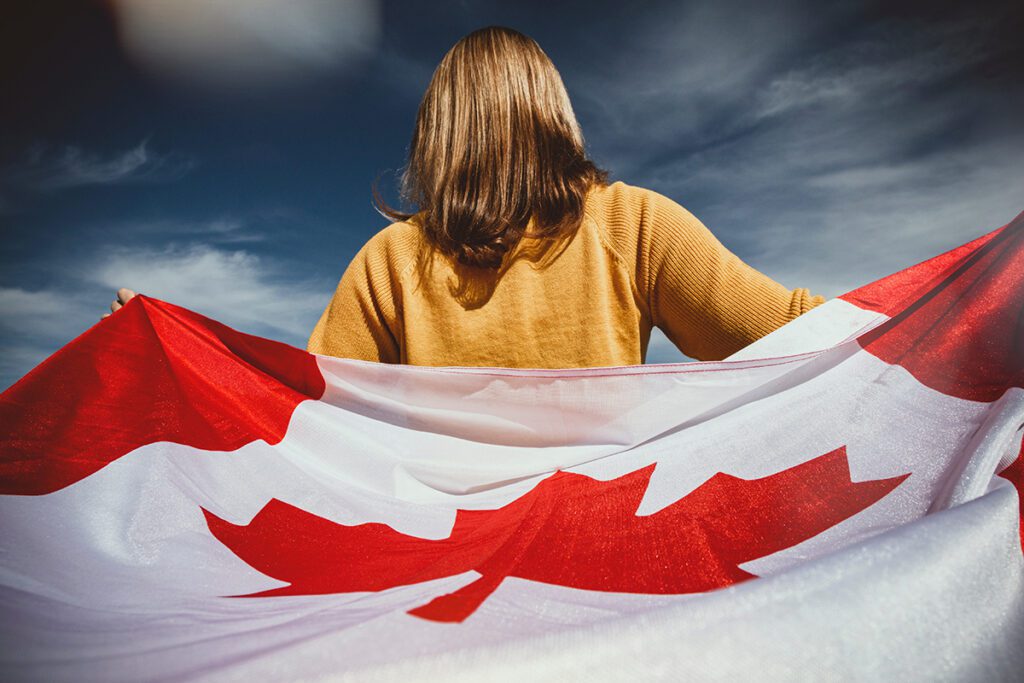
As December descends upon unceded territory in Canada, we would like to thank everyone for taking action and helping in advocating for systematic change…
The Mental Health Cost of Financial Abuse

While many people recognize that Intimate Partner Violence (IPV) is a scourge on Canadian society, very few people have heard of economic abuse…
Indigenous Women Disproportionately Experience Domestic Violence
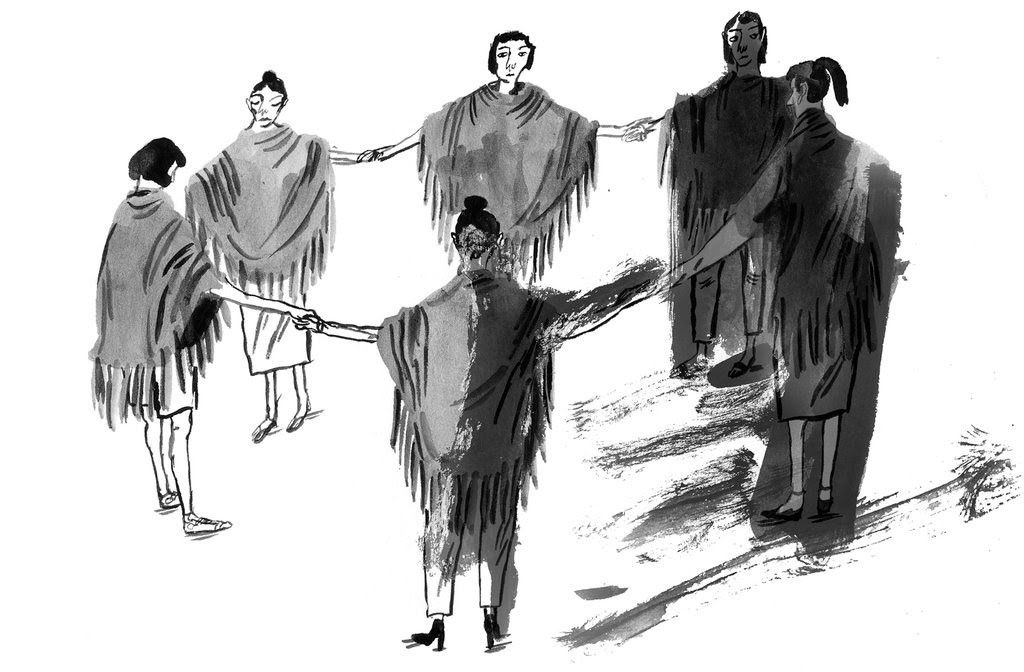
Domestic Violence (DV) can include many forms of abuse, including physical, sexual, verbal,emotional, financial, and neglect…
Systemic barriers for racialized survivors of DV
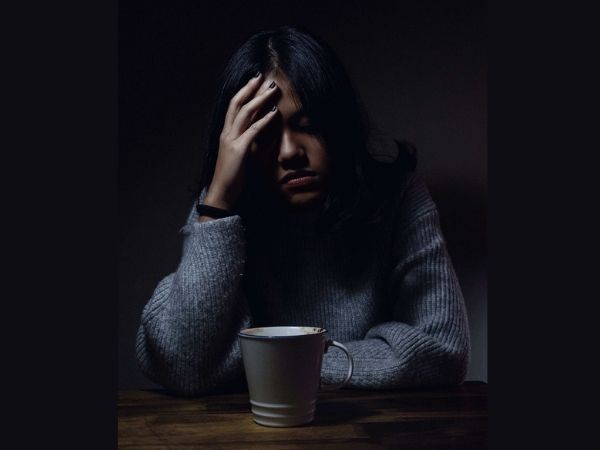
The intersectionality of race and gender becomes very apparent when women of colour need to leave abusive relationships…
Economic Abuse and the 16 Days of Activism Against Gender Based Violence
The United Nations’ 16 Days of Activism to End Gender-Based Violence began in 1991, and occurs annually beginning on November 25 th on the International Day for the Elimination of Violence against Women…
Covid-19’s Financial Effect On Domestic Violence Victims
COVID-19 has increased financial loss and hardship for families, generally. Fortunately, healthy family systems can often…
How to Spot Economic Abuse
Economic abuse is notoriously hard to recognize and even harder to recover from. This is partially because there is little public awareness of what economic abuse really is. “If you were well-educated about economic abuse you could identify it like you would other forms of abuse if your sister or friend was suffering from it,” says Meseret Haileyesus,
No Money, Mo’ problems
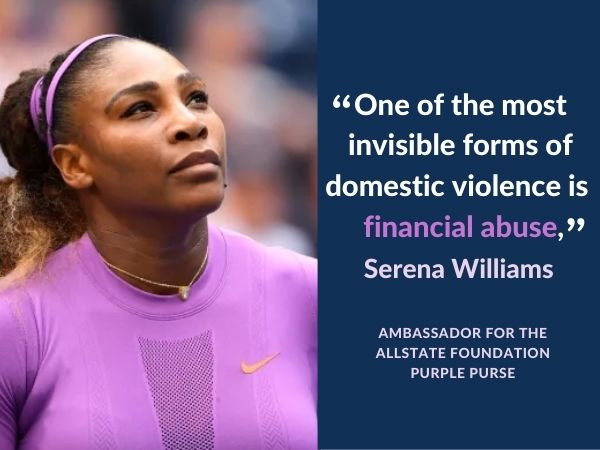
The notorious big question: why are Canadians not talking about economic abuse? Join the discussion to #HelpUsRise