November 26
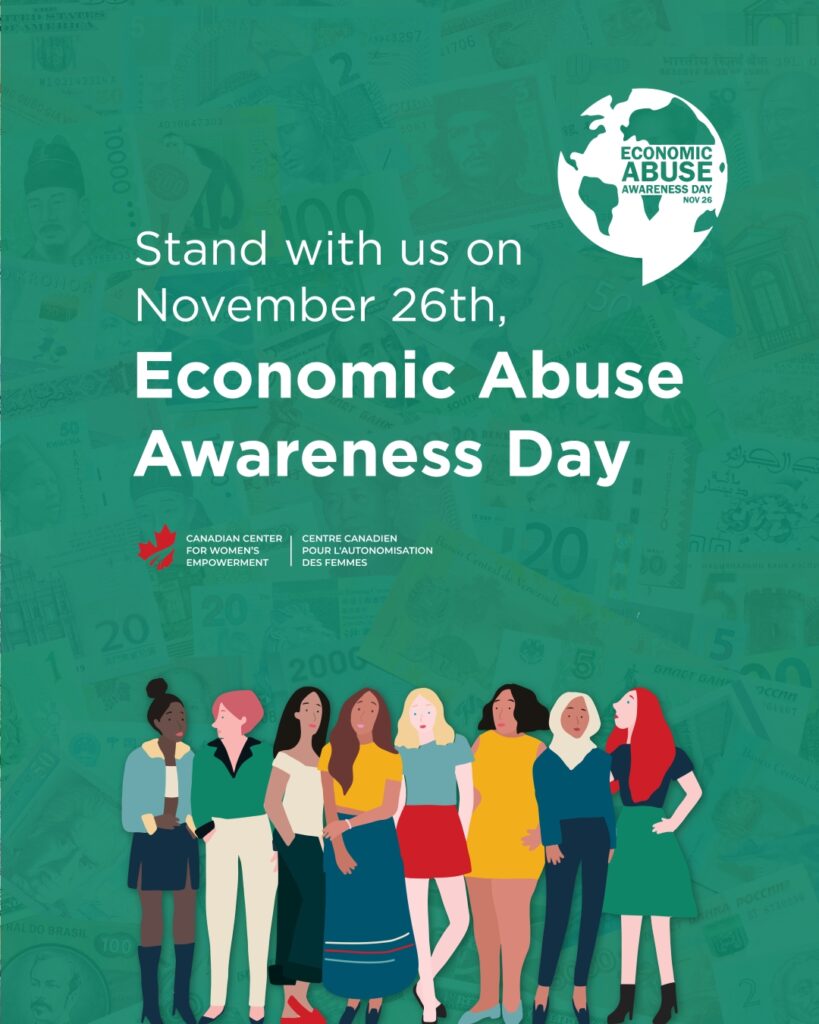
Economic Abuse Awareness Day is a national and international call to recognize economic abuse as a serious and widespread form of gender-based violence. On November 26, communities across Canada united to raise awareness of how financial control, coercion, exploitation, and deprivation impact survivors’ safety, independence, and long-term stability.
Economic abuse interferes with a person’s ability to access money, build credit, maintain employment, or make basic financial decisions. It often remains hidden, yet its effects are profound in shaping whether a survivor can leave abuse, stay safe, and rebuild their life.
This year’s theme, #EconomicSafetyMatters, highlights the urgent need to centre economic security in national conversations on gender-based violence. When survivors have control over their finances, they have a path to autonomy, dignity, and long-term safety.
Read the press release from the International Coalition Against Economic Abuse.
Economic abuse occurs when someone controls, exploits, or sabotages a person’s access to money, assets, credit, employment, or financial opportunities. It can include:
Taking or withholding money
Forcing someone into debt
Restricting access to bank accounts
Interfering with employment or income
Controlling how money is spent
Stealing property or financial documents
Economic abuse is one of the least recognized forms of violence, yet one of the most common.
Economic Abuse Awareness Day began in Canada in 2019, when the Canadian Centre for Women’s Empowerment (CCFWE) first called for national recognition of economic abuse and its impact on survivors.
In 2021, Australia joined the campaign alongside international partners including Surviving Economic Abuse (UK) and Good Shepherd (New Zealand). Together, this global network has amplified awareness, strengthened advocacy, and mobilized governments, financial institutions, and communities to act.
Since launching the campaign, CCFWE has helped secure more than 100 proclamations across Canada — from cities, provinces, and territories — making Economic Abuse Awareness Day one of the most widely recognized awareness initiatives in the country’s gender-based violence sector.

Each year, mayors and municipal councils across the country issue official proclamations recognizing November 26 as Economic Abuse Awareness Day. These proclamations play a critical role in:
Raising awareness in local communities
Encouraging public dialogue
Validating survivors’ experiences
Strengthening national momentum for change
CCFWE supports this work by providing proclamation templates, tools, survivor-informed messaging, and educational materials to partners and cities from coast to coast.
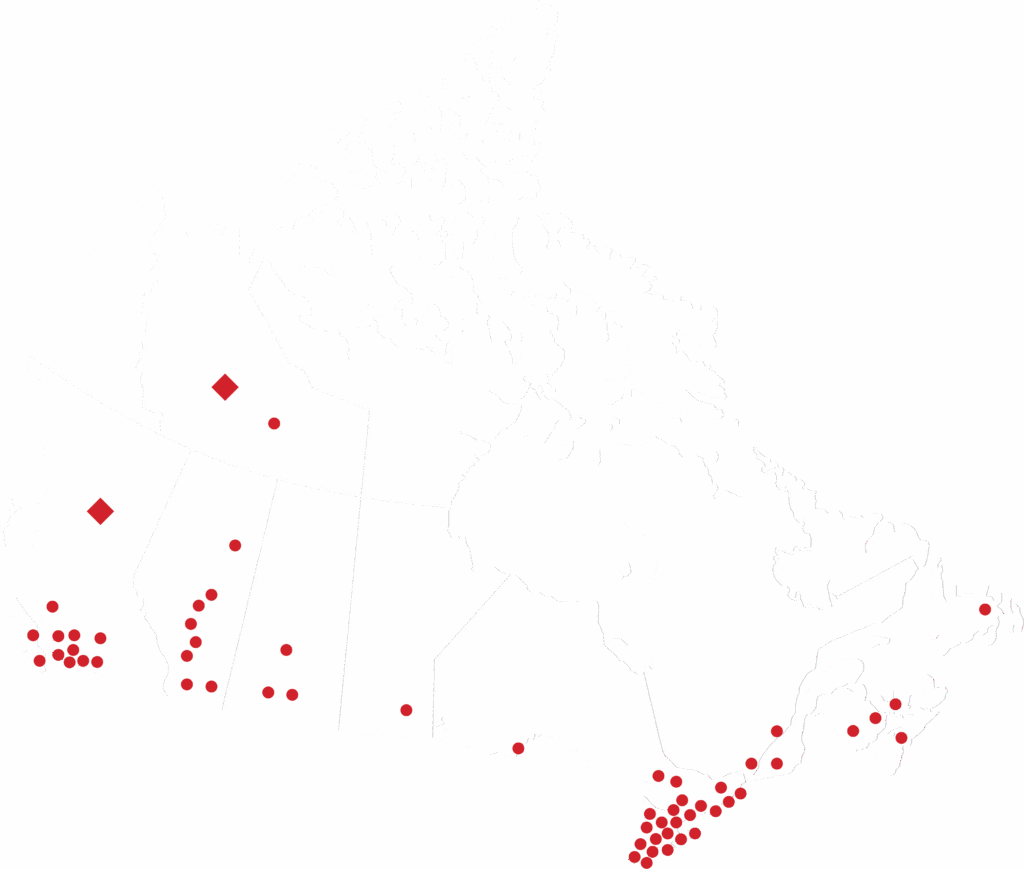
Since 2019, more than 120+ cities and 2 provinces/territories across Canada have issued proclamations.
In 2025, the Government of Canada committed to creating the National Code of Conduct for the Prevention of Economic Abuse, the first measure of its kind in the country’s history.This milestone reflects years of advocacy by survivors, sector partners, and CCFWE.
The Code will guide financial institutions on how to identify, prevent, and respond to economic abuse, ensuring survivors receive safer, more supportive, and trauma-informed services.

You can help raise awareness and support survivors:
Sign the National Pledge to End Economic Abuse: ccfwe.org/pledge
Explore and Share CCFWE Resources: Toolkits, guides, and educational materials for survivors, service providers, and financial institutions.
Use the Social Media Toolkit: Download ready-to-use graphics, key messages, and survivor-informed content to help raise awareness.
Share Survivor-Centered Messaging: Amplify quotes, statistics, and awareness posts using the hashtag #EconomicSafetyMatters.
Endorse our Calls to Action and Recommendations in our Femicide Brief: Femicide in Ottawa and Beyond: A Call to Change for Coordinated Policy and Systemic Change
On November 26, we honour survivors, amplify their experiences, and call for a future where economic safety is recognized as a fundamental human right. Together, we can build systems that protect, empower, and support survivors across Canada!